Email id.

-
-
Location
Get Direction
-
Phone No.
+91 9892466429
Email id.
Location
Phone No.


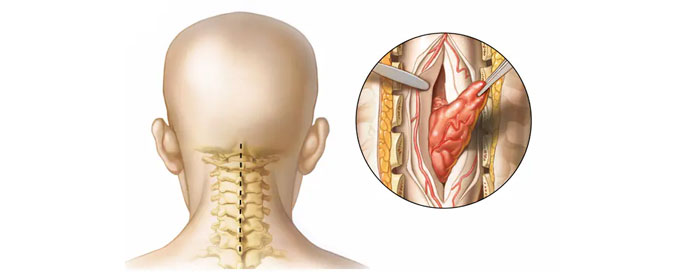
Spine & Spinal Cord Tumor Excision is a highly specialized surgery performed to remove tumors that grow within or around the spinal cord, vertebrae, or surrounding nerves. These tumors can be benign or malignant and often cause symptoms such as back pain, weakness, numbness, difficulty walking, or loss of bladder/bowel control. The goal of surgery is to remove the tumor safely, relieve pressure on the spinal cord and nerves, and prevent permanent neurological damage. With the help of advanced MRI, intraoperative neuromonitoring, microscopic techniques, and minimally invasive approaches, surgeons can remove tumors with high precision while preserving spinal stability and nerve function. Early diagnosis and expert management significantly improve the chances of recovery and long-term quality of life.