Email id.

-
-
Location
Get Direction
-
Phone No.
+91 9892466429
Email id.
Location
Phone No.


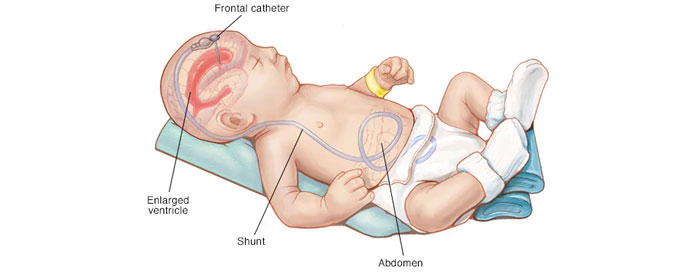
Hydrocephalus is a condition in which excess cerebrospinal fluid (CSF) accumulates inside the brain’s ventricles, causing increased pressure and swelling. It can occur in infants, children, or adults and may lead to symptoms such as headaches, vomiting, irritability, enlarged head size in infants, and difficulty with balance or vision in older patients. Early diagnosis and timely treatment are essential to prevent long-term neurological damage and improve quality of life.
Hydrocephalus can develop due to structural abnormalities at birth, infections, bleeding in the brain, tumors, or trauma. In some cases, the exact cause may not be known, but the result is always the same—impaired CSF circulation or absorption.
Treatment focuses on restoring proper CSF flow and reducing pressure on the brain. Advanced surgical procedures help manage the condition effectively and support normal development or functioning.