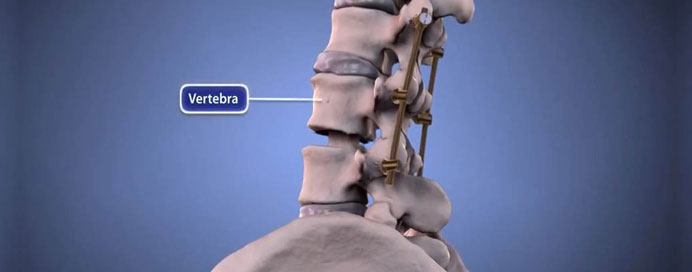
Instrumentation & Spinal Fixation

Instrumentation and spinal fixation are surgical techniques used to stabilize the spine when it becomes weak, unstable, or deformed due to trauma, degenerative disc disease, infections, tumors, or spinal deformities. The procedure uses implants such as screws, rods, plates, or cages to hold the spinal bones in proper alignment, allowing them to fuse and heal correctly. This approach helps restore spinal stability, reduce pain, and improve overall function, ensuring long-term correction and support.


When is Spinal Fixation Required?
  • Spinal fractures or trauma causing instability
  • Degenerative conditions like spondylolisthesis or severe disc collapse
  • Spinal deformities such as scoliosis or kyphosis
  • Failed back surgery or recurrent instability
  • Tumor or infection weakening the spinal structure
Types & Benefits of Instrumentation
  • Pedicle Screw Fixation – Strong stability for both lumbar and thoracic spine
  • Rod & Plate Systems – Correct deformities and maintain alignment
  • Interbody Cages – Restore disc height and support fusion
  • Minimally Invasive Fixation – Less blood loss, faster recovery
  • Improved Stability & Pain Relief – Long-term correction and enhanced mobility