Email id.

-
-
Location
Get Direction
-
Phone No.
+91 9892466429
Email id.
Location
Phone No.


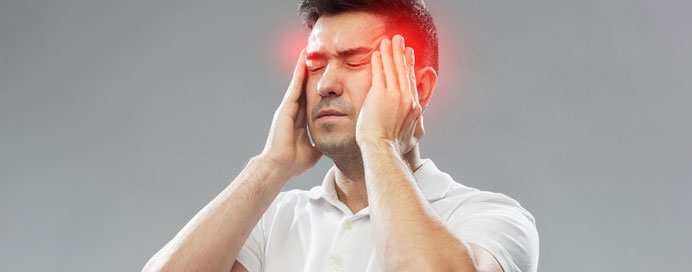
A stroke is a critical medical emergency that happens when blood supply to the brain is blocked or reduced, depriving brain cells of oxygen and essential nutrients. Within minutes, brain cells begin to suffer irreversible damage, which may result in long-term disability or even death if treatment is delayed. Prompt recognition and immediate medical attention at a facility offering
Strokes are primarily classified into three types: Ischemic Stroke caused by a blood clot, hemorrhagic stroke caused by bleeding in the brain, and transient ischemic attack (TIA), often referred to as a mini-stroke. Contributing risk factors include uncontrolled high blood pressure, diabetes, smoking, obesity, heart conditions, and elevated cholesterol levels. Effective risk management and timely access to the Best Stroke Treatment in Panvel play a vital role in reducing complications and preventing repeat strokes.
Stroke symptoms usually occur suddenly and should never be ignored. Warning signs include drooping of the face, weakness or numbness in the arms or legs—typically on one side of the body—slurred or confused speech, vision disturbances, severe headache, and difficulty maintaining balance. Using the FAST method (Face, Arms, Speech, Time) helps identify a stroke quickly. Immediate treatment at a hospital known for the Best Stroke Treatment in Panvel can greatly reduce long-term brain damage.
Accurate and rapid diagnosis is crucial in stroke care. Doctor rely on neurological assessments and advanced imaging tests such as CT scans, MRI scans, angiography, and blood investigations to determine the type and severity of the stroke. Every minute counts—delays can lead to permanent brain injury. Hospitals delivering the Best Stroke Treatment in Panvel are equipped with state-of-the-art diagnostic technology to ensure fast and precise decision-making.
Stroke treatment is tailored to the specific type and severity of the condition. Ischemic strokes are managed using clot-dissolving medications or advanced procedures like mechanical thrombectomy, while hemorrhagic strokes may require surgical intervention and intensive medical management. Post-stroke rehabilitation — including physiotherapy,speech therapy, and occupational therapy—is essential for restoring independence. Choosing a center that provides the Best Stroke Treatment in Panvel ensures comprehensive emergency care, advanced procedures, and structured rehabilitation under one roof.
A stroke can be devastating, but with rapid action and expert care, recovery is possible.Awareness of symptoms, early diagnosis, and immediate treatment are the keys to saving lives. If you or someone around you experiences signs of a stroke, act without delay and seek medical help at a trusted hospital offering Best Stroke Treatment in Panvel because every second matters.
Paralysis happens when nerves controlling muscles are damaged. Common triggers include stroke (blocked or burst blood vessel in the brain), spinal cord injury, brain trauma, infections, or Neurological Diseases. A stroke is one of the most frequent causes of sudden paralysis, leaving parts of the body weak or frozen due to disrupted nerve signals. Quick medical response is vital to limit lasting nerve damage and improve recovery chances. Early rehabilitation is equally important for long‑term function.
Typical signs include inability to move a limb, weakness on one side, loss of sensation, muscle stiffness, or drooping of face. Speech difficulty or trouble swallowing can also accompany paralysis from a Stroke.Depending on severity, paralysis may be partial or complete and can affect daily activities, emotional health, and independence.If You See this Symtpoms with Your Loved one.Visit Best Stroke and Paralysis Treatment in Panvel.
Paralysis treatment depends on its cause, severity, and location.Initial care often involves addressing underlying conditions like stroke, injury, or infection. Physical therapy is crucial to maintain muscle strength, flexibility, and prevent atrophy. Occupational therapy helps patients regain daily function. Medications may reduce inflammation, manage pain, or improve nerve function. In some cases, surgery can repair damaged nerves or spinal cord injuries. Assistive devices—wheelchairs, braces, or mobility aids—enhance independence. Emerging treatments include electrical stimulation, stem cell therapy, and robotic rehabilitation. Early intervention, consistent therapy, and supportive care improve recovery chances and quality of life.