Email id.

-
-
Location
Get Direction
-
Phone No.
+91 9892466429
Email id.
Location
Phone No.


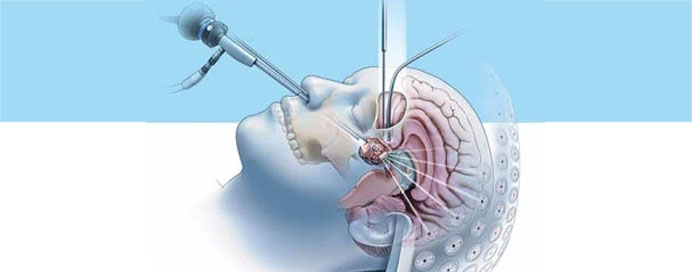
Skull Base Surgery is performed to treat conditions that develop at the base of the skull, where the brain, nerves, blood vessels, and spinal cord connect. The most common cause is the presence of tumors, which may be benign or malignant, such as meningiomas, pituitary tumors, chordomas, or acoustic neuromas. These growths can press on critical nerves and brain structures, leading to symptoms like heaches, vision loss, hearing problems, facial numbness, or hormonal imbalance.Visit Best Skull Base Surgeon in Navi Mumbai.
Other causes include congenital abnormalities, Traumatic Injuries,Chronic Infections, and cerebrospinal fluid (CSF) leaks that allow fluid to escape from the brain into the nose or ear. Vascular disorders, such as aneurysms or abnormal blood vessel formations, may also require skull base surgery.
Because this region is complex and delicate, surgery is recommended only when symptoms progress, vital functions are at risk, or non-surgical treatments are ineffective.
After procedures performed by the Best Skull Base Surgeon in Panvel, Navi Mumbai, patients may experience a range of postoperative symptoms depending on the surgical approach and the structures involved. Pain, swelling around the head or face, headaches, nasal blockage, or congestion are common, especially when endoscopic techniques are used. Mild nasal bleeding or discharge can also occur, and while these symptoms are usually temporary,skull base surgeon carefully monitors recovery to prevent complications.
Because ultiple cranial nerves pass through the skull base, neurological symptoms may appear following surgery performed by the Best skull base surgeon in Panvel, Navi Mumbai. These can include facial numbness, tingling, vision disturbances, hearing changes, facial weakness, difficulty swallowing, or speech issues.Temporary changes in smell or taste are also common after nasal endoscopic procedures, and the skull base surgeon ensures close follow-up to manage and resolve these symptoms safely.
Treatment by the Best skull base surgeon in Panvel, Navi Mumbai is tailored to the exact type, size, and location of the condition. Options may include minimally invasive endoscopic surgery through the nose, complex open skull base procedures, or a combination of surgery, radiation, and medication. The goal of Skull Base Surgeon is not just disease removal, but maximum preservation of brain function, cranial nerves, and long-term quality of life—because in skull base surgery, precision is non-negotiable.
Skull base surgery is a specialized surgical procedure used to treat tumors, abnormalities, or injuries located at the base of the skull, which is the area separating the brain from the nose, sinuses, eyes, and upper spine. Because many critical nerves and blood vessels pass through this region, the surgery requires highly advanced techniques and a skilled multidisciplinary team.
Skull base surgery is usually recommended to remove benign or malignant tumors, repair cerebrospinal fluid leaks, treat vascular abnormalities, or address infections that cannot be safely treated with medication alone. In many cases, surgery is necessary to prevent damage to the brain, vision, hearing, or other vital functions.
Skull base surgery is complex, but advances in imaging, surgical navigation, and minimally invasive techniques have significantly improved safety. While risks do exist due to the delicate anatomy involved, experienced surgeons carefully plan each procedure to minimize complications and preserve neurological function.
This surgery is commonly used to treat pituitary tumors, meningiomas, acoustic neuromas, chordomas, craniopharyngiomas, and certain cancers of the nasal cavity or sinuses. It is also performed for cerebrospinal fluid leaks and select vascular or congenital conditions.
Depending on the condition, skull base surgery may be done through traditional open approaches or through minimally invasive endoscopic techniques using the nose or small openings in the skull. Endoscopic approaches often avoid large incisions and reduce recovery time while still allowing precise tumor removal.
In many cases, especially with endoscopic skull base surgery, there are no visible external scars because the procedure is performed through natural openings such as the nose. When open surgery is required, surgeons aim to place incisions in discreet areas to minimize cosmetic impact.
Recovery time varies based on the type of surgery and the patient’s overall health. Hospital stays typically range from a few days to a week, while full recovery may take several weeks to a few months. Most patients gradually return to normal activities under medical guidance.
Possible complications can include infection, cerebrospinal fluid leakage, temporary or permanent nerve weakness, hormonal changes, or vision and hearing issues. Your surgical team will discuss specific risks based on your diagnosis and take steps to reduce them.
The goal of skull base surgery is to treat the condition while protecting brain function. Surgeons use advanced monitoring and imaging to avoid damage to critical brain areas. Most patients do not experience cognitive changes, and many see improvement in symptoms after surgery.
Preparation typically includes imaging studies, blood tests, and consultations with neurosurgeons, ENT specialists, and anesthesiologists. Patients may be advised to stop certain medications, avoid smoking, and follow specific dietary or fasting instructions before surgery.